MATSYAKANYAS (2018 to ongoing)
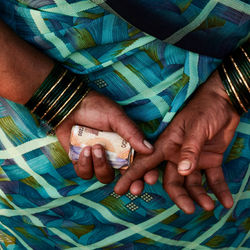
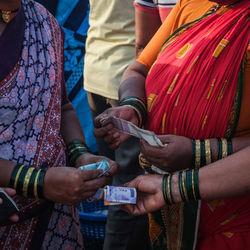
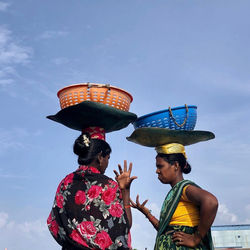
A Matsyakanya, or mermaid, is a mythical creature with the upper body of a woman and the tail of a fish, perfectly at home in the deep sea. I see a strong connection between these mythical beings and real-life fisherwomen. Both are deeply tied to the ocean. They are incredibly hardworking and inspiring,
I began photographing them in 2018, traveling to various fishing villages across Maharashtra, Goa, and Karnataka. The more time I spent with these communities, the more fascinated I became—especially by the fisherwomen. I found these fisherwomen fearless, courageous, strong, and graceful. They are aggressive when they deal with fish business and humble when they to support other women from same territory. Finding such variety of traits in the same person is incredibly rare. This photography work is my tribute to these extraordinary women, whom I proudly call Matsyakanyas.
 |  |  |
|---|---|---|
 |  |  |
 |  |  |
 |  |  |
 |  |  |